


 Deutsch
 Español
May
The Science Behind Medical Marijuana: A Deep Dive into Cannabis Therapeutics
Welcome to Weedmarihuana.eu. We operate at the intersection of ancient botanical wisdom and modern scientific discovery. For too long, cannabis was shrouded in myth and misconception. Today, we cut through the noise to examine the hard science behind medical marijuana. This isn’t just about getting high. It is about how a complex plant interacts with the human body to restore balance and alleviate suffering. Join us as we explore the physiological mechanisms that make cannabis a powerful medical ally.
What is the Science Behind Medical Marijuana?
Medical cannabis works by interacting with the body’s endocannabinoid system to regulate functions like sleep and pain.
To truly appreciate the therapeutic potential of this plant, one must understand the biological infrastructure it relies upon. The human body possesses a vast internal network called the endocannabinoid system (ECS). This system plays a vital role in regulating physiological processes, including appetite, pain sensation, mood, and memory. It exists within all of us, producing endocannabinoids that are similar to the compounds found in the cannabis plant.
When we consume cannabis, the plant based cannabinoids, known as phytocannabinoids, enter the bloodstream and mimic our internal chemicals. They bind to specific receptors throughout the body, primarily CB1 and CB2 receptors. CB1 receptors are abundant in the central nervous system, influencing brain function, while CB2 receptors are found mostly in the immune system, affecting inflammation and pain. This interaction is the core mechanism behind medical marijuana.
How Do THC and CBD Affect the Brain Differently?
THC binds to brain receptors causing a high, while CBD influences receptors indirectly to reduce inflammation without intoxication.
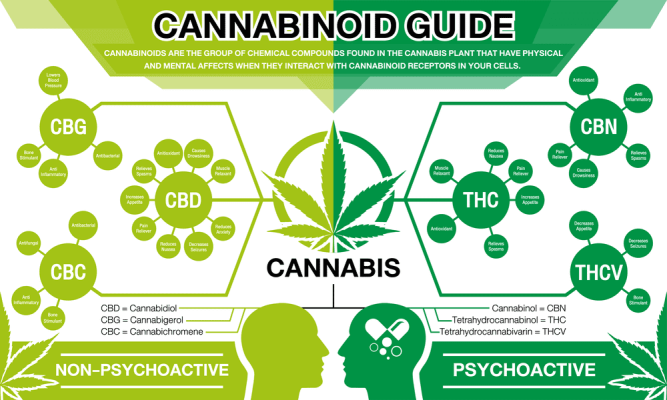
While the cannabis plant contains over 100 cannabinoids, two titans dominate the scientific conversation: Tetrahydrocannabinol (THC) and Cannabidiol (CBD). They engage with the ECS in starkly different ways, offering distinct therapeutic benefits.
THC (Tetrahydrocannabinol) THC is the primary psychoactive compound. It binds directly to CB1 receptors in the brain. This direct attachment triggers the release of dopamine, creating the euphoric sensation known as a “high.” Medically, this binding action is excellent for pain relief, muscle relaxation, and stimulating appetite. However, high doses can lead to anxiety or impaired memory. Strains like our Granddaddy Purple are rich in THC and are often chosen for their potent sedative effects.
CBD (Cannabidiol) CBD behaves differently. It does not bind directly to CB1 receptors. Instead, it encourages the body to use its own endocannabinoids more effectively. It can actually dampen the psychoactive effects of THC, reducing anxiety or paranoia. CBD is celebrated for its anti inflammatory, anti seizure, and neuroprotective properties. It provides relief without the intoxicating buzz, making it a preferred option for daytime use.
Understanding the Entourage Effect
The science of medical marijuana extends beyond isolated molecules. We often observe a phenomenon known as the “entourage effect.” This theory suggests that the therapeutic impact of the whole plant is greater than the sum of its individual parts.
Cannabis contains terpenes, aromatic compounds responsible for the plant’s scent and flavour. Limonene, for instance, offers a citrusy aroma and may elevate mood, while myrcene, found in Blue Dream, has a musky scent and may promote relaxation. When cannabinoids and terpenes work together synergistically, they enhance each other’s efficacy. This is why many patients prefer full spectrum products over isolates. They want the complete orchestra of compounds, not just a solo instrument.
Table: Key Cannabinoids and Their Potential Medical Applications
| Cannabinoid | Primary Characteristics | Potential Medical Benefits | Common Effects |
|---|---|---|---|
| THC | Psychoactive, binds to CB1 | Pain relief, nausea reduction, appetite stimulation | Euphoria, relaxation, altered perception |
| CBD | Non psychoactive, indirect action | Anti inflammatory, anti anxiety, seizure reduction | Calming, clarity, no intoxication |
| CBN | Mildly psychoactive, degraded THC | Sleep aid, antibiotic properties | Sedation, drowsiness |
| CBC | Non psychoactive | Pain relief, anti inflammatory, acne treatment | Mood elevation, mild analgesia |
| THCV | Psychoactive (at high doses) | Appetite suppression, blood sugar regulation | Energy boost, focus |
What Are the Proven Medical Benefits of Cannabis?
Studies show medical marijuana effectively treats chronic pain, chemotherapy-induced nausea, and severe epilepsy in patients.
The clinical application of cannabis is vast, supported by a growing body of evidence. We are seeing a shift from anecdotal reports to rigorous scientific validation. Below, we explore the most significant areas where medical cannabis makes a difference.
Chronic Pain Management
Chronic pain is perhaps the most common reason patients seek out medical cannabis. THC activates pathways in the brain and spinal cord that alter pain perception. Unlike opioids, which can be lethal and highly addictive, cannabis offers a safer profile for long term management. Many people turn to buy weed online specifically to manage conditions like arthritis, fibromyalgia, and neuropathy. It allows patients to reclaim their quality of life without the heavy sedation often associated with traditional painkillers.
Neurological Conditions and Epilepsy
One of the most compelling stories in modern medicine is the use of CBD to treat treatment resistant epilepsy, particularly in children. Epidiolex, a CBD based medication, has been approved in various jurisdictions to treat seizures associated with Lennox Gastaut syndrome and Dravet syndrome. The anti convulsant properties of CBD offer hope where pharmaceutical drugs have failed.
Mental Health and Anxiety
While high doses of THC can exacerbate anxiety, balanced strains or CBD dominant products can be profoundly anxiolytic. Cannabis can help dampen the “fight or flight” response, aiding those with PTSD, generalised anxiety disorder, and social anxiety. Strains like Girl Scout Cookies are often cited for their relaxing euphoria that melts away stress.
Where to Buy Medical Marijuana Online in Europe Safely?
Navigating the European market for medical cannabis requires caution. We ensure that when you buy medical marijuana online in Europe, you receive products that meet stringent safety standards. Quality control is paramount. The best online dispensaries provide lab tested results, verifying cannabinoid content and ensuring the absence of harmful pesticides or heavy metals.
We pride ourselves on offering a curated selection of top shelf strains. Whether you are looking to order medical cannabis strains online or simply explore what works for your body, safety and discretion are our priorities. We understand the nuances of the market and are dedicated to providing a seamless, secure experience for our customers across the continent.
Best Weed Strains for Pain Relief and Relaxation
Choosing the right strain is critical for effective treatment. Indica dominant strains are typically associated with physical relaxation and sedation, making them ideal for night time use or pain management. Sativa dominant strains tend to be more energising and cerebral, suitable for daytime fatigue or mood disorders.
Top Indica Choices
- Granddaddy Purple: Famous for its berry aroma and potent muscle relaxing effects. It is a go to for insomnia and pain.
- Northern Lights: A classic strain known for its “couch lock” effect and ability to soothe the mind and body.
- Bubba Kush: A heavy tranquilising strain that helps with stress and restlessness.
Top Sativa and Hybrid Choices
- Amnesia Haze: A Sativa dominant powerhouse that offers a boost of energy and focus, which is excellent for combating fatigue. You can buy Amnesia Haze online through our platform.
- Blue Dream: A hybrid that balances full body relaxation with gentle cerebral invigoration.
- Sour Diesel: Known for its fast acting, energising effects that can help with depression and anxiety.
What Risks Should You Consider with Medical Cannabis?
Potential risks include dizziness, impaired memory, and dependency, particularly with high THC products used over long periods.
While the therapeutic potential is immense, we believe in a balanced perspective. Cannabis is not without risks. It is essential to consult with a healthcare professional before starting a regimen, especially if you are taking other medications.
Short Term Side Effects
Common side effects include dry mouth, red eyes, increased heart rate, and temporary motor impairment. These effects are usually mild and subside as the cannabis wears off.
Long Term Considerations
Heavy, chronic use of high THC cannabis can lead to dependency in some individuals. There is also a link between excessive cannabis use and exacerbation of underlying mental health issues, such as schizophrenia, in genetically predisposed individuals. Furthermore, smoking cannabis can irritate the lungs. We often recommend alternative consumption methods, such as vaporisers or edibles, to mitigate respiratory risks. If you are looking to buy cannabis seeds online in Germany to grow your own medicine, be aware of the legalities in your specific region.
The Future of Cannabis Research
The stigma surrounding cannabis is fading, paving the way for groundbreaking research. Scientists are currently investigating the role of minor cannabinoids like CBG and THCV in treating conditions ranging from glaucoma to diabetes. The legalisation in various European countries allows for more rigorous clinical trials.
We are committed to staying at the forefront of these developments. As our understanding of the ECS deepens, we will see more targeted therapies. Imagine cannabis based medications engineered to treat specific types of cancer or neurodegenerative diseases with pinpoint accuracy. The future is green, and it is backed by science.
Key Takeaways
- The Endocannabinoid System (ECS) is a crucial regulatory system in the human body that interacts directly with cannabis compounds.
- THC provides psychoactive effects and pain relief by binding to receptors, while CBD offers anti inflammatory benefits without the high.
- The Entourage Effect suggests that whole plant medicine, containing terpenes and multiple cannabinoids, is more effective than isolated compounds.
- Medical cannabis is proven to assist with chronic pain, epilepsy, and anxiety, offering an alternative to traditional pharmaceuticals.
- When you decide to buy weed online, always choose reputable sources that provide lab tested products to ensure safety and quality.
Is medical marijuana legal in the United Kingdom?
Medical cannabis is legal in the UK, but it is highly regulated. It can only be prescribed by specialist doctors for specific conditions like severe epilepsy or chemotherapy induced nausea when other treatments have failed. Recreational use remains illegal. For those looking into the legal landscape, our guide on cannabis seeds UK law offers further insight.
How does medical marijuana differ from recreational marijuana?
The primary difference lies in the intent of use and chemical composition. Medical marijuana is often cultivated to have higher levels of CBD or specific terpenes tailored for symptom relief. Recreational marijuana is frequently bred for high THC content to maximise psychoactive effects. However, the products themselves can be identical, with the distinction being the guidance of a medical professional.
Can I buy medical marijuana online without a prescription?
In Europe, the laws vary significantly. While some countries allow the purchase of CBD products without a prescription, products containing high levels of THC usually require a medical prescription. We strictly adhere to regulations and encourage customers to verify the laws in their jurisdiction before they order medical marijuana in London.
What consumption method is best for medical use?
The best method depends on the condition being treated. Inhalation (smoking or vaporising) offers quick relief, which is ideal for acute pain or nausea. Edibles and oils provide a longer lasting effect, suitable for chronic conditions and sleep disorders. Tinctures allow for precise dosing, which is critical for finding the minimum effective dose.
How long does the effect of medical marijuana last?
The duration of effects varies based on the consumption method. Inhaled cannabis typically lasts 1 to 3 hours. Edibles, which must pass through the digestive system, can take 1 to 2 hours to kick in but may last 4 to 6 hours or longer. Understanding these timelines is essential for managing your treatment schedule effectively.
References:
- National Institute on Drug Abuse (NIDA) – Cannabis Research
- Centers for Disease Control and Prevention (CDC) – Cannabis Facts
- Mayo Clinic – Marijuana
- Leafly – Cannabis Information and Strains
- MedlinePlus – Marijuana
- DEA – Marijuana Drug Fact Sheet
- Britannica – Marijuana
Ready to experience the benefits of high quality, science backed cannabis? Browse our exclusive collection of flowers, concentrates, and seeds in our shop today. Let us be your trusted partner in health and wellness.
Những sản phẩm cá cược thể thao luôn được thiết kế với 4 phong cách khác nhau như OW – Sự đa dạng, TP – Tượng trưng cho hiện đại, SB – Sự truyền thống, KS – Trải nghiệm. Bảng tỷ lệ kèo 188V chính thức luôn cập nhật mới mỗi ngày để tiện cho anh em chủ động tham khảo, tỷ lệ thưởng luôn hấp dẫn, tối ưu cơ hội chiến thắng cho thành viên tham gia. TONY03-11O
Your point of view caught my eye and was very interesting. Thanks. I have a question for you.